
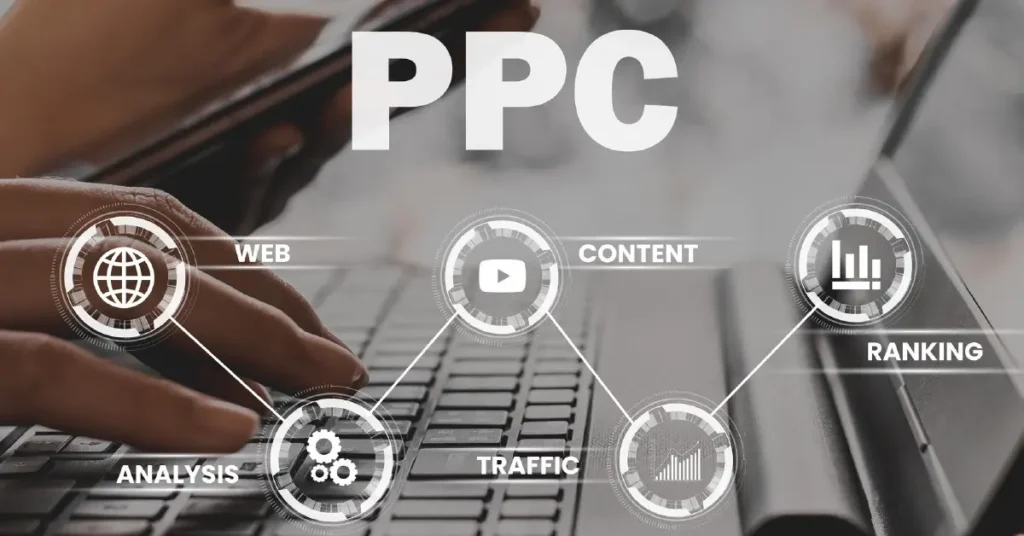
A strong search strategy should not treat organic rankings and paid advertising as separate activities. SEO can build lasting visibility, while PPC can place your business in front of high-intent searchers when you need immediate traffic. The right approach connects both channels around the same business goals, customers, locations, and conversion actions.
Before planning campaigns, review what your audience already searches for, which pages attract visitors, and where paid traffic can fill important gaps. Businesses can also learn from Google Ads marketing strategies when deciding how paid search fits into a wider growth plan.
Why Should SEO and PPC Work Together?
SEO and PPC work better together when both channels target the same customer journey. Organic search can capture users researching a service, while paid campaigns can reach people who are ready to call, request a quote, or make a purchase.
A combined approach can help businesses:
- Find high-value search terms faster
- Test messaging before expanding organic content
- Increase visibility for important services
- Compare paid and organic conversion behavior
- Reduce dependence on one traffic source
- Identify content gaps through advertising data
The goal is not to spend more money. The goal is to understand which searches create business value and use each channel where it performs best.
For a local company in Jackson Heights or another Queens market, this can also mean building location-focused landing pages while running ads for searches with strong local buying intent.
How Does Expert SEO Ads Management Create a Unified Search Strategy?
Expert seo ads management combines organic SEO and paid search around shared keywords, customer intent, landing pages, conversion goals, and performance data. SEO builds long-term visibility, while PPC provides faster access to high-intent searches. Together, they help businesses test demand, improve messaging, capture more opportunities, and make better decisions about search marketing investment.
Start by mapping the customer journey instead of simply collecting keywords. A person searching for general information may need an educational page, while someone searching for a specific service and location may be ready to contact a business.
Your strategy should connect:
- Search intent
- Target keyword
- Relevant landing page
- Organic optimization
- Paid ad message
- Conversion action
- Performance measurement
This structure makes SEO Ads Management Services more purposeful because every search term has a clear role in the customer journey.
Which Keywords Should Your SEO and PPC Strategy Target?
Keyword selection should be based on business value, not search volume alone. A keyword with fewer searches can be more useful if those searches come from people who are ready to buy.
Separate keywords into groups such as:
High-Intent Commercial Searches
These searches often include service names, product terms, locations, or action words such as “near me,” “quote,” or “company.” They can be strong candidates for PPC and service-page SEO.
Informational Searches
These searches usually ask questions or seek guidance. They can support blog content, FAQs, guides, and AEO-focused pages that build topical relevance before a customer is ready to purchase.
Branded Searches
Branded terms can help protect visibility when customers already know your company. They can also reveal whether people are finding you through organic search, paid ads, referrals, or other channels.
Search Engine Advertising Management should then use the strongest commercial terms for focused campaigns rather than sending every visitor to the same generic page.
How Can PPC Data Improve Your Organic SEO Decisions?
Paid campaigns can generate useful search behavior data that helps guide organic content. When certain queries produce qualified leads, those queries may deserve stronger organic visibility through service pages, supporting content, internal links, and optimized headings.
PPC also provides a useful environment for testing:
- Headlines and value propositions
- Calls to action
- Service terminology
- Landing page messaging
- Geographic targeting
- Audience intent
Businesses can use these insights to improve SEO and PPC Services as one connected strategy rather than managing two isolated marketing programs.
If you want to strengthen visibility across Google and AI-driven search, explore DGC’s AI & GEO optimization services as a natural next step.
This approach is especially useful for businesses serving competitive markets across Queens and nearby New York communities, where different neighborhoods can have different search behavior and levels of competition.
What Should a Practical SEO and PPC Workflow Include?
A strong strategy needs an actual process. Instead of changing campaigns randomly, build a repeatable workflow that gives every activity a purpose.
1. Audit the Current Search Presence
Review technical SEO, existing rankings, landing pages, conversion paths, tracking, and current advertising performance. Identify problems that can prevent either channel from producing useful results.
2. Map Keywords to Search Intent
Group terms according to informational, commercial, local, branded, and transactional intent. Assign each important term to the page or campaign best suited to answer that search.
3. Build or Improve Landing Pages
The landing page should match the promise made in the organic result or advertisement. Clear service information, relevant content, strong calls to action, and easy navigation can help turn traffic into leads.
4. Launch and Test PPC Campaigns
Use focused campaigns with relevant ad groups and closely related search terms. Monitor clicks, conversions, cost, search terms, and landing page behavior instead of judging performance from impressions alone.
5. Expand Organic Coverage
Use successful search insights to improve existing pages and create useful supporting content. Strengthen internal links so related pages clearly support the main service or topic.
6. Measure Business Outcomes
PPC Campaign Management should track more than clicks. SEO should also go beyond rankings. Look at qualified leads, calls, form submissions, conversions, and the cost of acquiring customers where reliable tracking is available.
How Should Local Businesses Connect Search With Their Market?
Local search requires more than adding a city name to a page. Your website, business information, service areas, and landing pages should provide clear geographic relevance without creating thin or repetitive location pages.
For a business serving Jackson Heights and nearby Queens communities, local relevance can be developed around genuine service coverage, customer needs, neighborhood context, and useful location-specific information.
The business NAP is another important trust signal. Digital Growth Catalyze LLC operates from 33-09 73rd St, Jackson Heights, NY 11372. For direct assistance, businesses can call (848) 206-2002 to discuss their search marketing needs.
Keep location information accurate across the website and business profiles. Do not claim neighborhoods or service areas that the business does not actually serve.
How Can You Measure Whether the Strategy Is Working?
A useful reporting system connects marketing activity to business outcomes. Review performance regularly and look for relationships between SEO visibility, paid search activity, and conversions.
Useful measures can include:
- Organic clicks and qualified traffic
- Important keyword visibility
- Paid clicks and conversions
- Cost per lead
- Conversion rate
- Lead quality
- Calls and form submissions
- Landing page performance
Google Ads Management Services should be adjusted when search terms, costs, conversion quality, or business priorities change. SEO should also be refined as rankings, competitors, search behavior, and content performance develop.
The most valuable strategy is one that becomes smarter over time. Use performance data to decide where to invest more, where to reduce waste, and which pages deserve additional attention.
Why Is an Integrated Search Strategy Better for Long-Term Growth?
SEO can create an asset that continues attracting organic visitors, while PPC gives businesses a controllable way to reach high-intent searchers. Combining both creates more opportunities to understand demand and respond to changes in the market.
For businesses competing in New York and beyond, the strategy should remain flexible. A new service, changing customer behavior, seasonal demand, or increased competition can change which keywords deserve priority.
The best approach is not simply to run more campaigns or publish more content. It is to connect search intent, useful pages, advertising, conversion tracking, and ongoing improvement into one system.
When businesses need a coordinated approach, Digital Growth Catalyze LLC can help align SEO, paid search, and broader digital visibility around measurable business goals.
Frequently Asked Questions
How much does an SEO and PPC strategy cost?
Costs vary based on competition, business size, geographic targeting, advertising budget, website condition, and the amount of ongoing management required. SEO and PPC also have different cost structures. A useful plan should consider the business goals and expected value of qualified leads rather than choosing a budget from a generic package.
How long does SEO take to produce results?
SEO generally takes longer than paid advertising because rankings develop through technical improvements, content, authority, and ongoing optimization. Digital Growth Catalyze states that meaningful SEO movement commonly takes about three to six months, although results vary by competition, website condition, and search market.
How quickly can PPC generate leads?
PPC can begin attracting clicks soon after campaigns are launched, but clicks do not automatically mean qualified leads. Campaign setup, targeting, search intent, landing pages, conversion tracking, competition, and budget all affect performance. Early results should be monitored carefully so campaigns can be refined based on actual search behavior.
What does PPC campaign management include?
PPC Campaign Management can include keyword research, campaign structure, ad creation, targeting, search-term review, bid and budget decisions, conversion tracking, landing-page evaluation, and ongoing optimization. The exact scope depends on the account and business objectives. The goal should be qualified conversions rather than simply generating more clicks.
Can SEO and PPC target the same keywords?
Yes. Targeting the same keyword can be useful when organic and paid results serve different purposes or when the search is especially valuable. However, businesses should review performance and intent before spending on terms that already generate strong organic results. Keyword overlap should be intentional rather than accidental.
What areas can a local search strategy cover?
A local strategy can cover the actual cities, neighborhoods, and communities where a business provides services. Geographic targeting should reflect genuine coverage rather than adding locations only for SEO. For businesses serving Queens, location pages and campaigns can focus on relevant communities while maintaining accurate business information and clear service availability.
Why choose Digital Growth Catalyze LLC?
Digital Growth Catalyze LLC reports more than 17 years of experience and provides SEO, local SEO, Google Ads and LSA management, AI and GEO optimization, website development, and social media marketing. Its approach can combine paid and organic search so businesses can work toward immediate lead generation while building longer-term search visibility

